Edition 14 · Ash & Ivory · published from Lyon

Every recipe ships with two plating routes. Browse the archive

AtelierPlate

Studio no. 4 · Rue des Capucins, Lyon · est. 2021

Where culinary art meets the home kitchen

Every recipe in the archive arrives twice: once as you would serve it to family, once as you would serve it to a room you want to impress. Same components, two compositions, and the reasoning written down.

Recipes
240
Plating guides
38
Palettes
12
Mini-courses
9
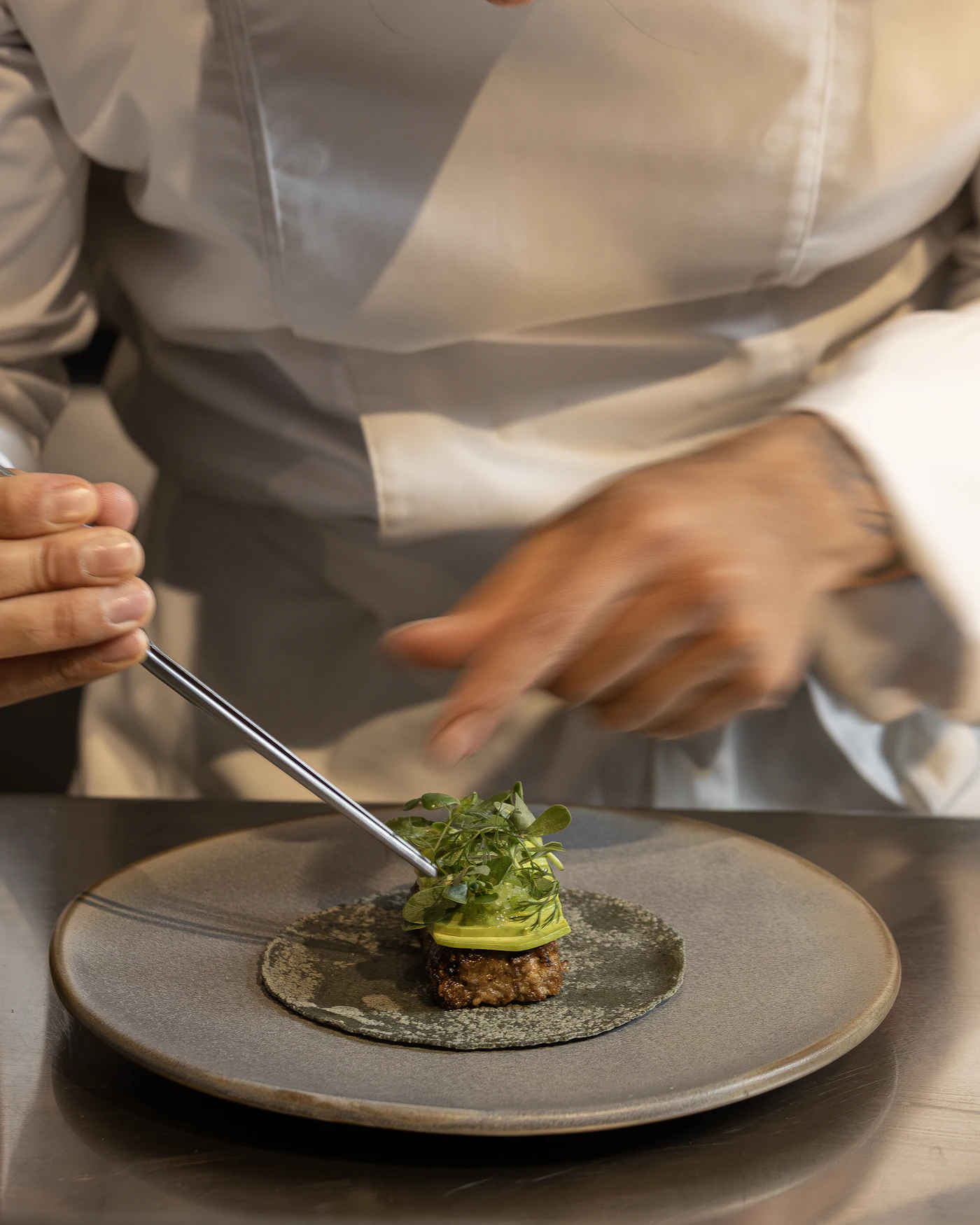
A chef in a white coat setting a garnish with tweezers onto a shallow bowl, studio light raking from the left.
Pl. 01 Finishing pass, Edition 14. Photographed on the studio bench at 17:40.

00

The studio method

Four working habits borrowed from a photography studio and rewritten for a domestic kitchen with one oven and no runner.

  1. 01

    Interactive plating guides

    A toggle on every recipe. Rustic for the table you eat at, Atelier for the table you photograph, with assembly diagrams for both.

    38 guides

  2. 02

    The palette filter

    Cook to a colour. Filter the archive by visual scheme first and by ingredient or clock second, because the table is seen before it is tasted.

    12 palettes

  3. 03

    Component-based cooking

    Recipes split into base, main, sauce, crunch and green. Learn a component once and it travels across nine other dishes.

    184 components

  4. 04

    Wine and aesthetic pairings

    Bottle, glass, vessel and light. A pairing note that covers the 2700K bulb above the table as well as what is in it.

    Per recipe

01

Two plates, one recipe

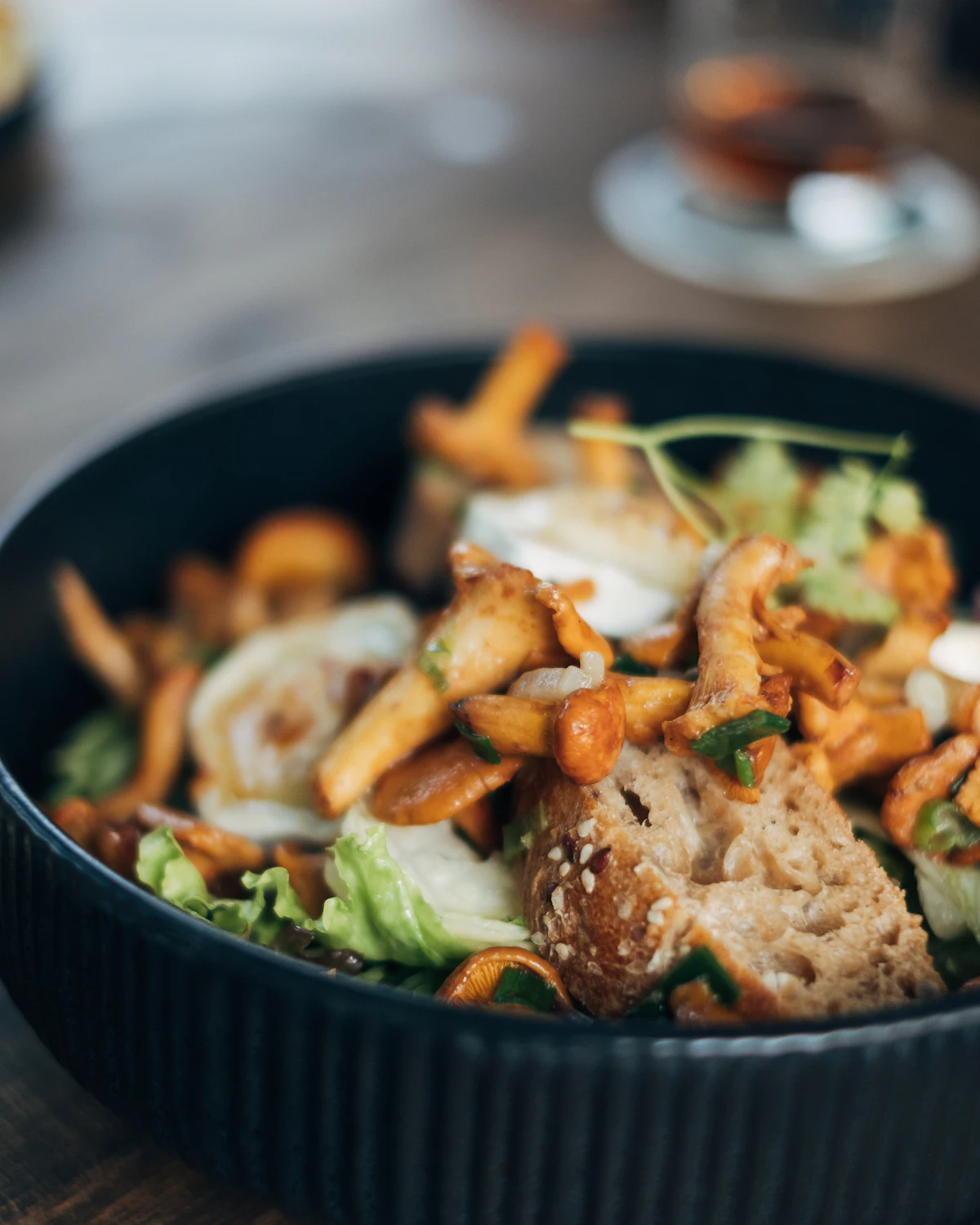
The same pan of charred leeks and chanterelles, assembled two ways. Neither is the correct answer. Pick the one that suits the evening.

Recipe 118 Charred Leek, Chanterelle & Hazelnut

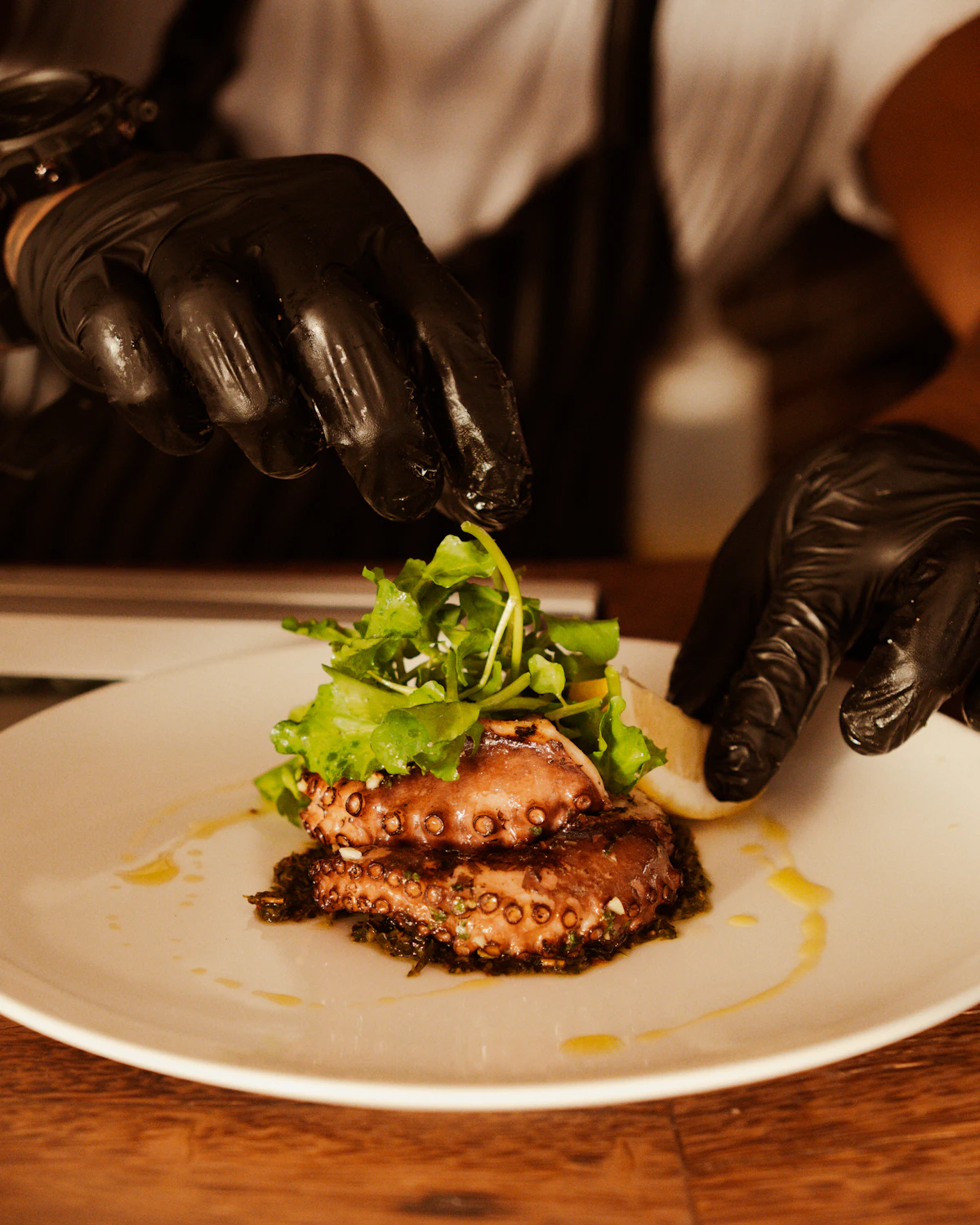
Chanterelles, charred leeks and torn bread piled off-centre in a dark ridged stoneware bowl. Gloved hands laying charred leek and greens in a low line across a wide ivory plate.
One bowl, four minutes, crumbs allowed.

Rustic assembly

  1. Pile the leeks off centre in a shallow bowl, cut sides facing up.
  2. Spoon the chanterelles over the heap and let three or four land on the rim.
  3. Tear the bread in by hand. Crumbs on the rim are part of the look.
  4. Finish with a wide pour of brown butter and coarse pepper from height.
Vessel
22 cm ridged stoneware
Time to plate
90 seconds
Tools
One spoon

Studio note The rustic bowl wants height and overlap. The atelier plate wants a clean 40 percent of untouched glaze. If you are cooking for six, use the bowl. Twelve chanterelles placed with tweezers is a job for two plates, not six.

03

Cook in components

Nothing in the archive is a monolith. Every recipe is filed as five parts, and every part is portable. Build a plate that has never been published.

I The base

II The main

III The sauce

IV The crunch

V The green

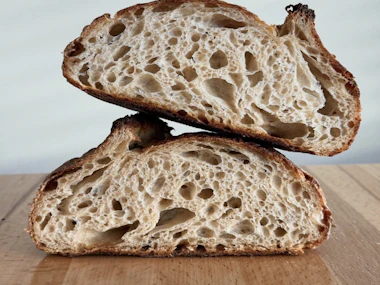
  • Two halves of an open-crumb sourdough loaf on a wooden board.

    Base

    Grilled rye toast

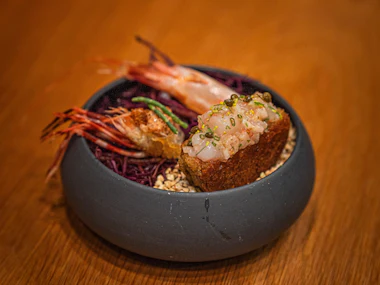
  • Shrimp with shredded red cabbage and a topped crouton in a dark bowl.

    Main

    Confit shrimp

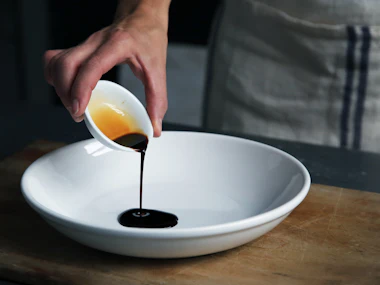
  • A hand pouring dark sauce from a small jug into a white bowl.

    Sauce

    Black garlic jus

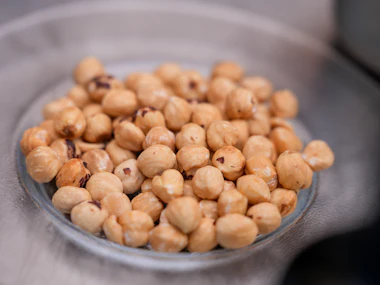
  • Shelled hazelnuts gathered in a shallow glass dish.

    Crunch

    Toasted hazelnut

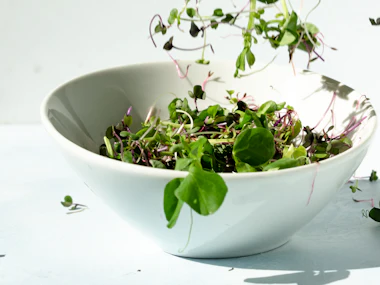
  • Microgreens falling into a white bowl against a pale background.

    Green

    Wood sorrel

Grilled rye toast · Confit shrimp · Black garlic jus · Toasted hazelnut · Wood sorrel

Palette reads
Earthy, leaning ash
Hands-on
51 min
Contrast
Soft, then sharp, then bitter

04

Wine, glass, and light

A pairing note that admits the truth: the bulb above the table changes the plate more than the vintage does.

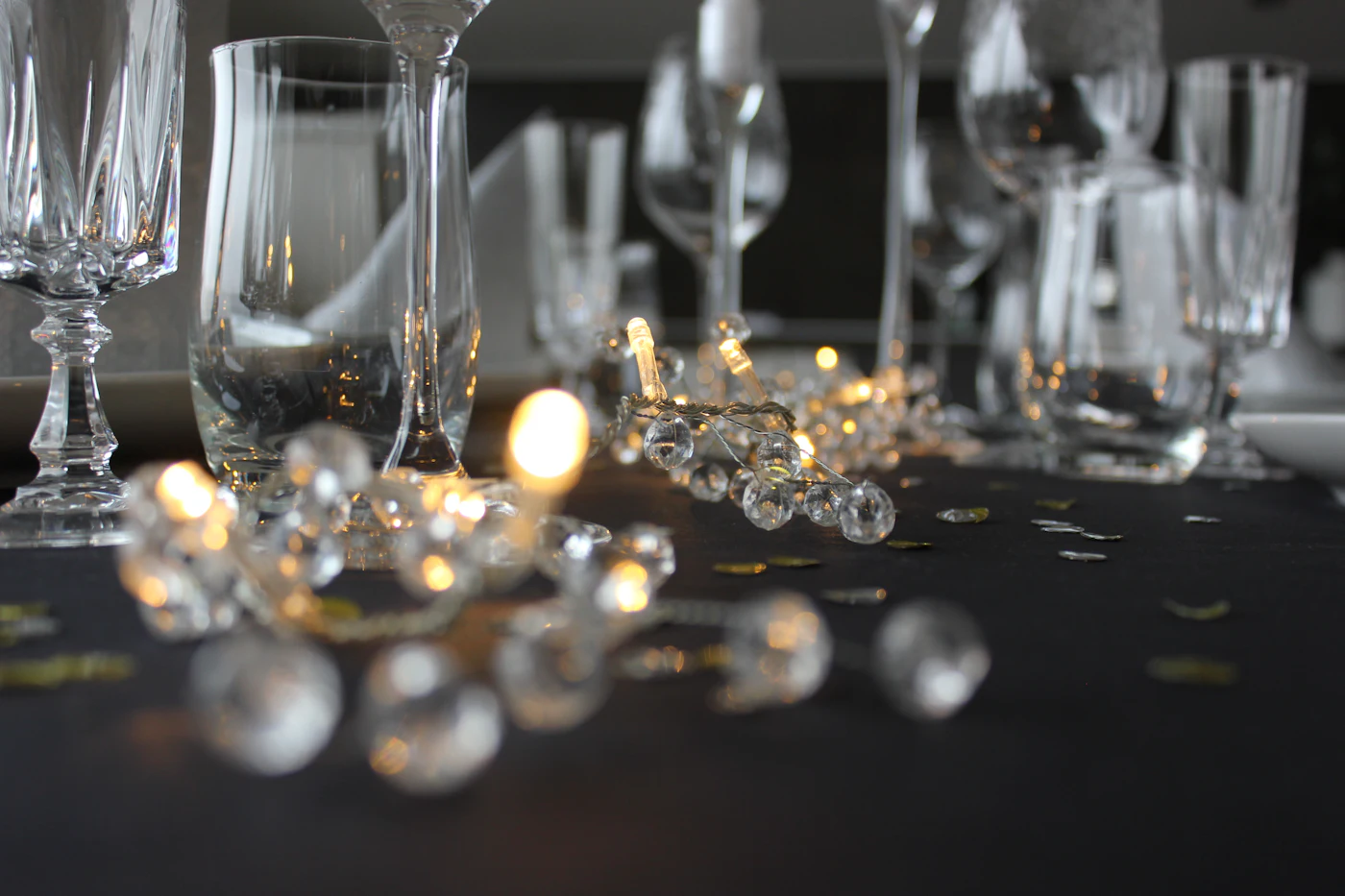
Cut crystal and thin-rimmed wine glasses on a dark cloth, lit low from one side.
Pl. 07 Glassware trial for Edition 14. Only two of these made the page.

Set for Recipe 118, Charred Leek & Chanterelle

In the glass
Jura Chardonnay, 2019 Oxidative, walnut skin. It meets the hazelnut instead of arguing with it.
Second bottle
Trousseau, chilled 30 min For anyone at the table who thinks white wine is a compromise.
Glassware
Thin universal, 480 ml Wide enough for the oxidation, plain enough to disappear next to a busy plate.
Tableware
Matte ivory, unglazed rim Chanterelles read orange. A glossy plate throws a second orange back at them.
Light
2700 K, above and behind One warm source at 45 degrees. Overhead ceiling light flattens every ridge you built.
Linen
Washed flax, oatmeal Texture at the edge of frame does the work a prop can't.
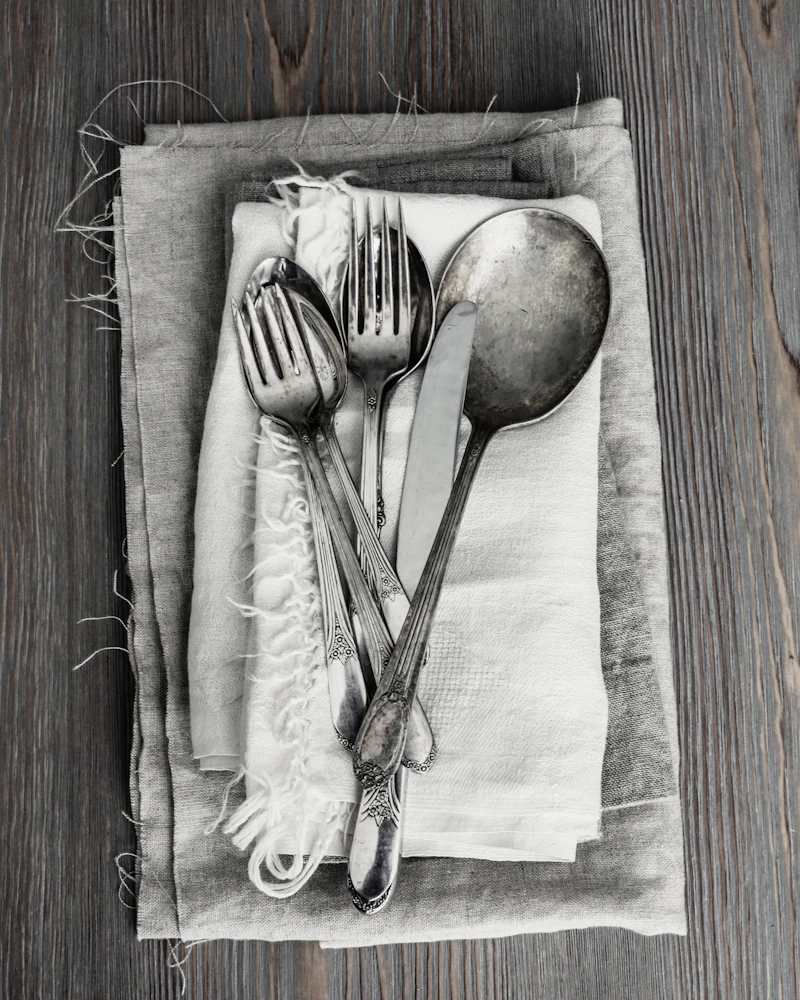
Worn silver fork, knife and spoon resting on frayed linen napkins over old wood.
Pl. 08 Studio cutlery, inherited, never polished.
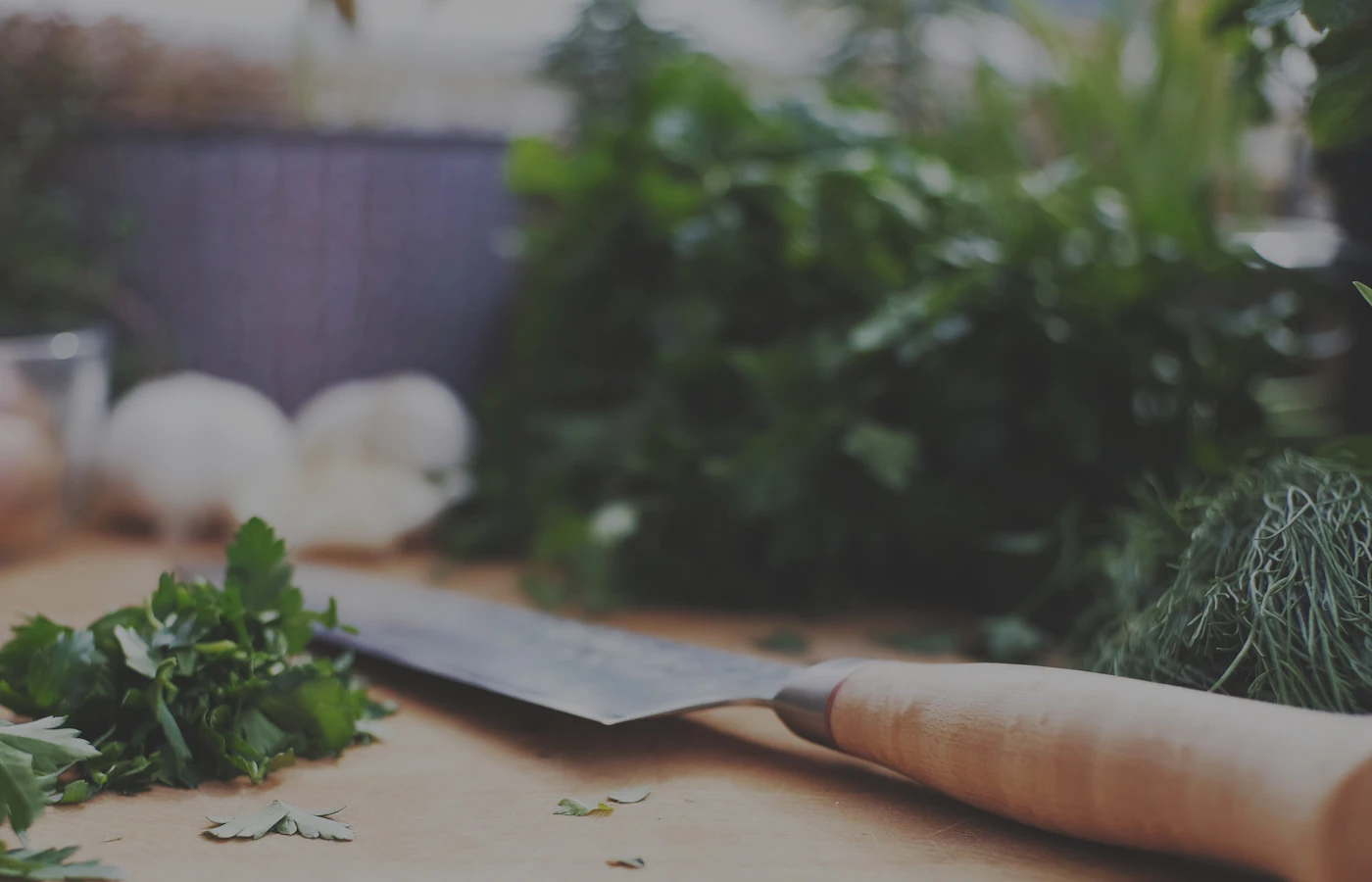
A chef's knife resting on a worn wooden board beside finely chopped parsley.

05

Atelier basics

Nine short courses on the mechanics. No knife brand reviews, no forty-minute intros. Each lesson is one technique, filmed close, from above.

Viscosity first, gesture second. A sauce that holds a drag is between 1,200 and 1,800 centipoise, which in a domestic kitchen means it coats the spoon and parts for a fingertip.

  1. 1.1 Testing a sauce on a cold plate before you commit
  2. 1.2 The single drag, back of the spoon, one motion
  3. 1.3 Comma, teardrop, and when to use neither
  4. 1.4 Fixing a broken drag without starting again
A brunoise reads as intent. A rough dice reads as hurry. Both are correct, on different plates, and knowing which one you are making is the whole lesson.

  1. 2.1 Brunoise at 2 mm without a ruler
  2. 2.2 Bias cuts and why the ellipse flatters
  3. 2.3 Wedges that stand up on their own
  4. 2.4 Supreming citrus with no white left
  5. 2.5 The deliberate rough cut

Most home plates fail by addition. The rule in the studio: every garnish must be edible, must be tasted in the dish, and must be removable without the plate collapsing.

  1. 3.1 The three-item ceiling
  2. 3.2 Height without a tower
  3. 3.3 Oils, dusts, and knowing when to stop

Leaves have a front and a back. Sorrel placed underside up goes grey under warm light. Twenty seconds of attention here changes the photograph more than the plate cost.

  1. 4.1 Reading the face of a leaf
  2. 4.2 Odd numbers, uneven spacing
  3. 4.3 Anchoring a leaf so it does not slide
  4. 4.4 Tweezers: offset, straight, and neither

Empty glaze is not wasted plate. It is the frame. The studio target is 40 percent untouched on a wide rim, and almost none in a bowl, which is why the two routes exist.

  1. 5.1 Where the eye enters a round plate
  2. 5.2 Off-centre without looking accidental
  3. 5.3 When a bowl beats a plate

06

Studio notes

Short commentary from the bench. Why a combination works, why a plate reads flat, what we changed between the first shot and the published one.

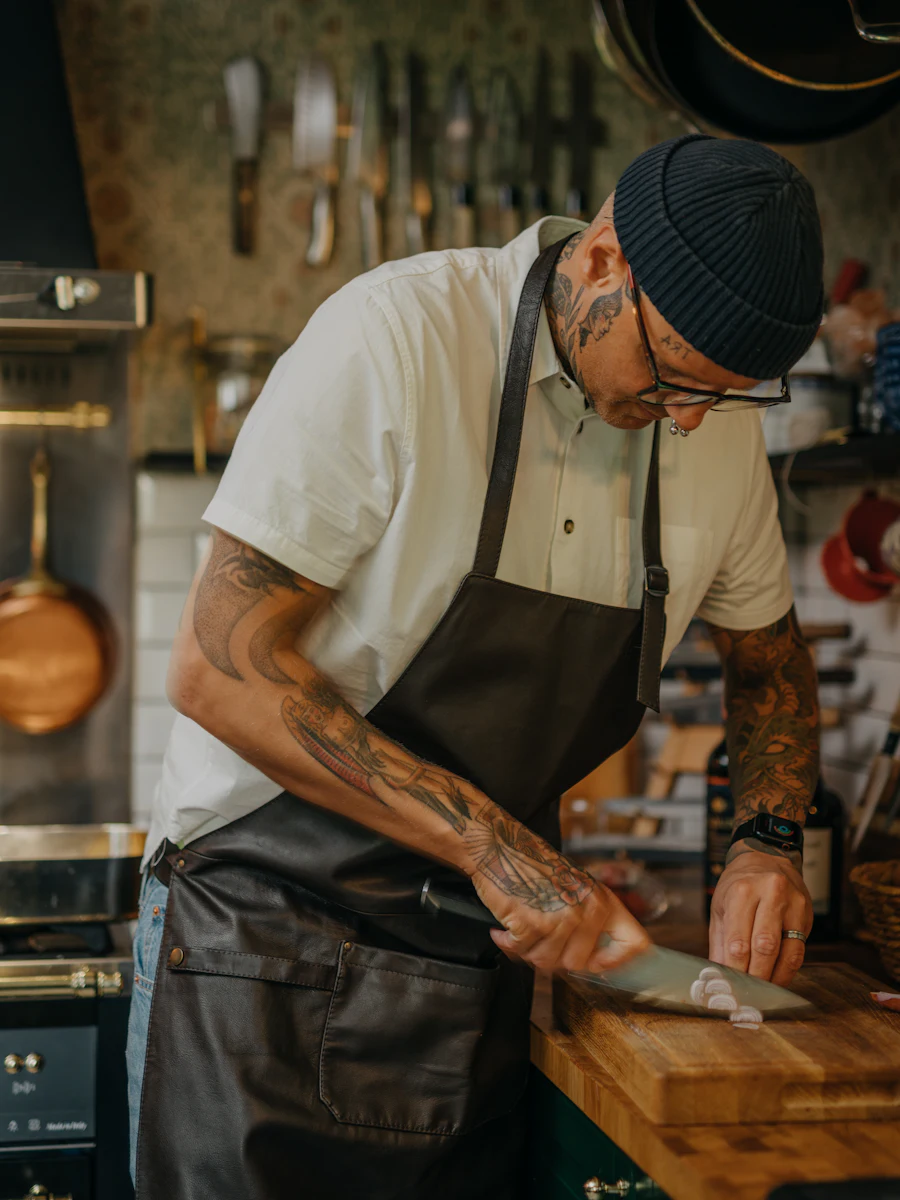
Idris Kalfa, tattooed and in an apron, slicing garlic on a wooden board in the studio kitchen.
Pl. 12 Idris Kalfa, chef in residence. Twelve years in restaurant kitchens, three in this one.

On contrast

Three textures is a dish. Four is a debate.

Soft, then sharp, then bitter. That sequence is why the leek plate works: sweet char, an acid crumb, sorrel that closes the mouth. Add a fourth texture and the palate stops ranking them, which is when a plate starts tasting busy despite every element being good.

Idris Kalfa · 04 September

A plate is finished when removing one more thing would make it worse. Most of us stop three items late.

Margaux Rives, founder

On colour

Two warm tones need a cold edge, not a third warm one.

Chanterelle and brown butter sit within twenty degrees of each other on the wheel, so the plate goes muddy under a 2700 K bulb. The fix is not more orange. It is one cold green, placed small. Six leaves of sorrel are enough to make the orange read as orange again.

Idris Kalfa · 28 August

Read all 96 notes

07

Pantry aesthetics

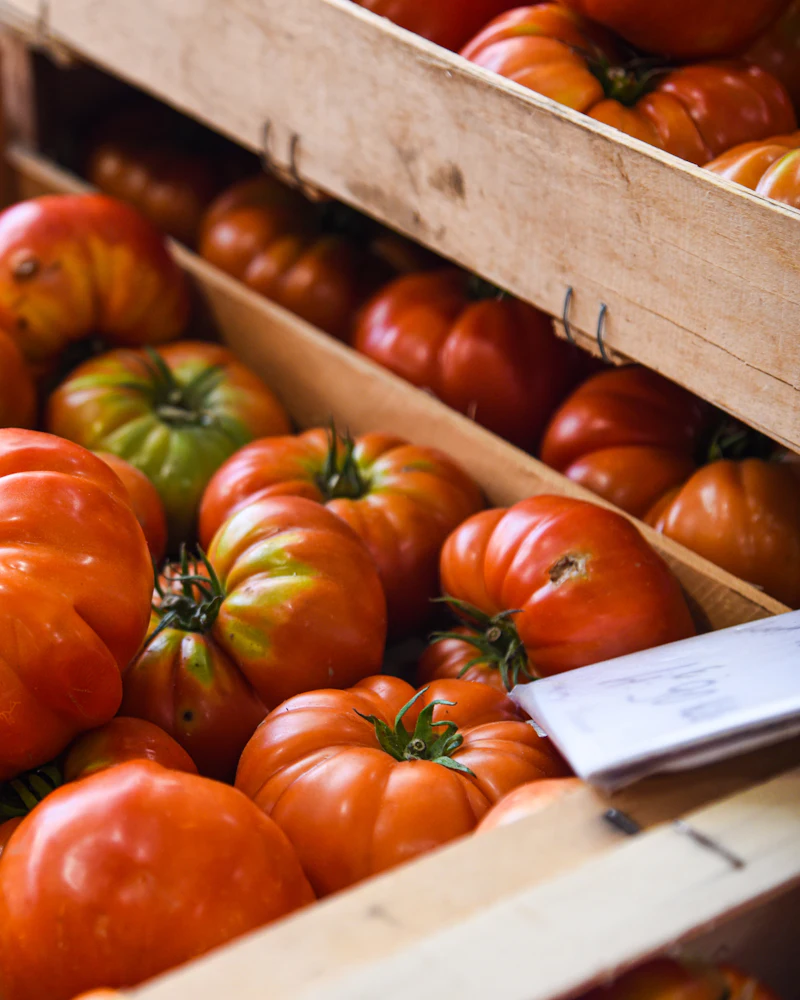
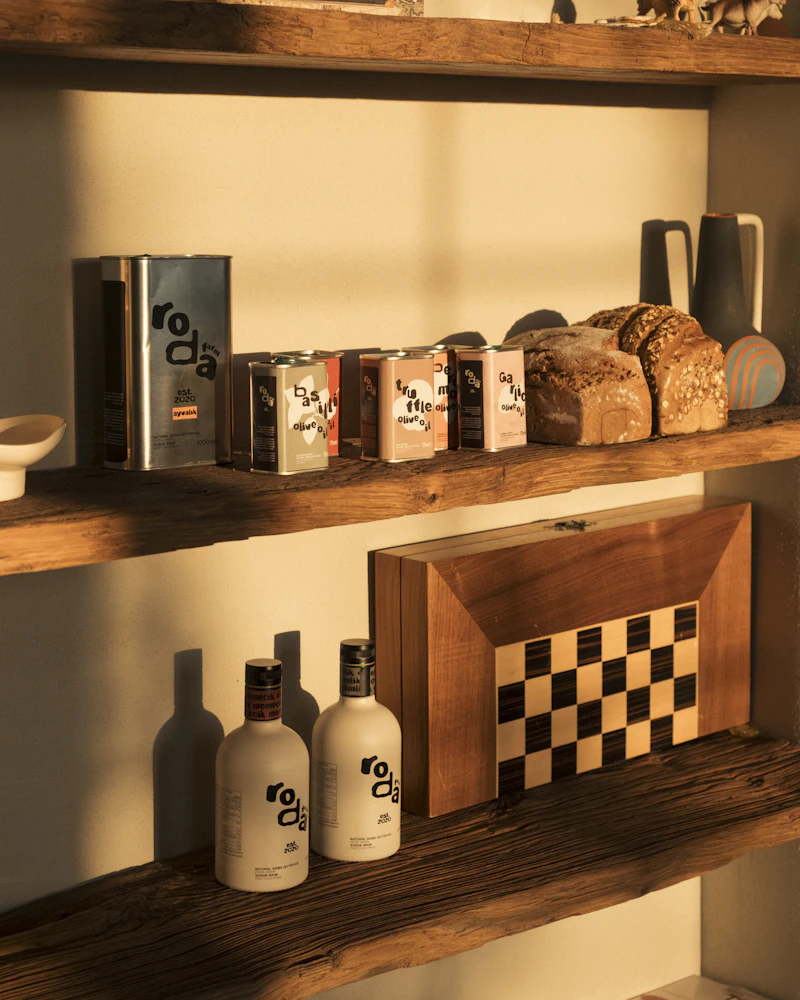
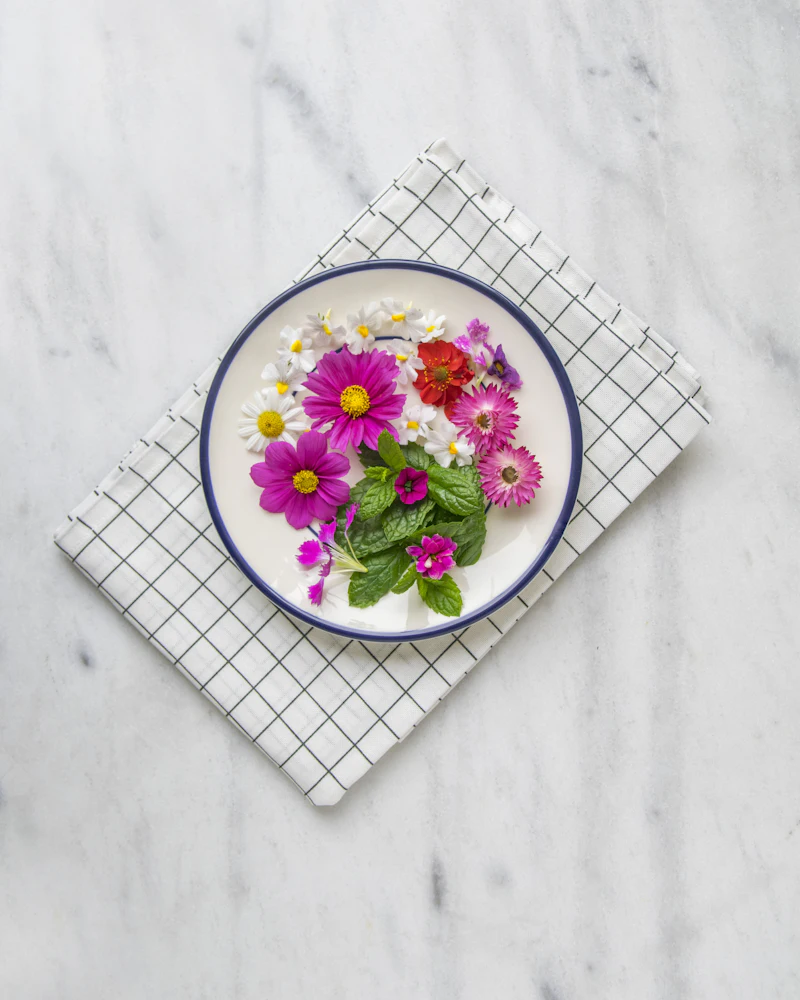
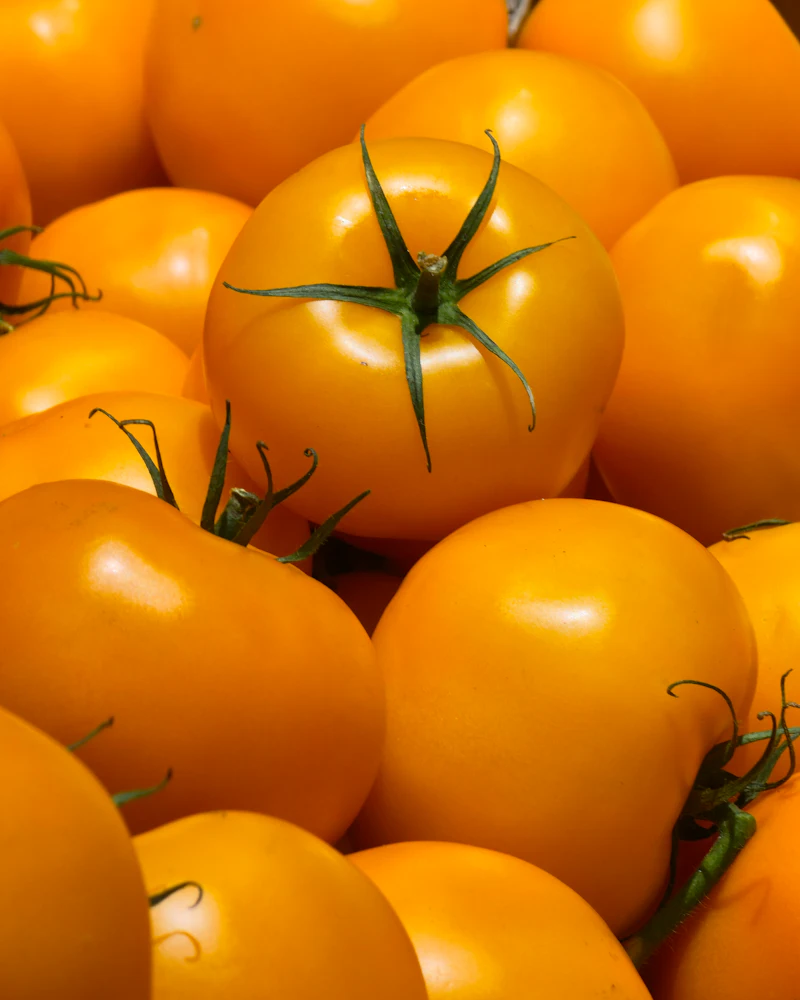
Sourcing guides for ingredients that carry a plate visually. Where to find them in Europe, what a fair price looks like, and when the season turns.

Drag, scroll or arrow through the rail. 26 sourcing guides in the full archive.

The Monday Plate

One recipe, two plates, every Monday

Sent at 06:00 CET. One recipe with both plating routes, the palette it belongs to, and a single technique to practise that week. No round-ups, no affiliate lists.

  • Both assembly diagrams, printable on one A5 sheet
  • The pairing note, including glassware and light
  • First access to studio workshops in Lyon, six per year